

An Investor’s Guide to Multi-Income Properties
When it comes to building a booming property portfolio, diversity is key! This means purchasing a number of different types of properties in a range of locations to maximise your opportunity in the marketplace. When employing this strategy, many investors stick with houses and apartments, but multi-income properties can be a cash-flow accelerator…that is, IF you know what you’re doing.
But first, what is a multi-income property?
Essentially, it’s one building that gives you more than one rental income. Now while extra money in your back pocket does sound great, this style of investment doesn’t come without pros and cons.
TYPES OF MULTI-INCOME PROPERTIES
There are four primary multi-income types that Australian investors can buy at the moment. They are:
- Dual income property
- Duplex
- Rooming/boarding house
- NDIS housing
Each type of multi-income property comes with its own set of challenges for an investor, and it’s not always the type of property you’ll want to start your investment journey with.
Most multi-income properties involve some level of “hands-on” time and need more attention than a single-income investment.
But, once your investment journey is underway and your cash flow is positive, a multi-income property could be a way to fast-track your portfolio and give your income stream a boost. Let’s explore each type.
DUAL INCOME PROPERTY
One title, two incomes. From the road these properties look like one home, but they are actually split, resulting in a 1-2% increase in potential rental yield.
One part of the property is usually smaller – think a one bed apartment or granny flat vs a larger 3-4 bedroom home.
The only real challenge with this kind of multi-income property is finding a property manager who understands how it works and will take care of both properties for you in the right way. This is because dual incomes aren’t as common as single-income properties, however once you find a professional who has experience in this area, you’ll be away.
DUPLEX
Two titles, two incomes. This property is very obviously split. Commonly sharing a wall or part of the building, duplexes are two properties that happen to be joined.
Different from a dual income property, you can sell one half of a duplex, whereas dual income properties you have to sell as a whole. This obviously gives you flexibility and the potential for greater capital growth and gain over time.
One of the downsides to duplexes are the rates that some councils charge for this kind of property, so make sure you know what you’re getting into from the get-go.
ROOMING OR BOARDING HOUSES
Buy a big house, split the rooms into separate units, and rent them out.
While the potential to increase rent yield is significant, the myriad of issues with this kind of property make it a no-go for most investors.
Banks and lenders don’t like them. Insurers don’t like them. Even the Fire Brigade doesn’t like them.
Unless you’re very experienced running this kind of property and want a very active investment role, steer clear.
NDIS HOUSING
The National Disability Insurance Scheme is a state and federal managed system that assists people with a disability, and their family and carers.
Specialist Disability Accommodation (SDA) is quality housing that is built specifically for people with disability and caters to their set of needs.
SDA is usually slightly more expensive to build and equip than standard housing and includes things like wide doorways, ramps, and support systems in bathrooms, kitchens and bedrooms.
Investors can benefit, not only from the multi-income yield across rent and subsidy payments, but also knowing they are assisting those who need specialised housing.
Read more about NDIS options for investors here and here.
DEVELOPING YOUR INVESTOR STRATEGY
If you’re thinking about investing in a multi-income property, get some expert advice from the coaches and mentors at Positive Real Estate who have decades of combined experience in all kinds of investments.
Better yet, sign up for one of our free information and education events, where you’ll be equipped with the tools, resources and support to thrive, and not fall behind on your path to financial freedom – whatever that may look like for you.
Learn more about how you can take advantage of the current property market today.
Click here to like us on Facebook and see more updates like this.
Hey there, do you enjoy the Positive Real Estate Blog? If you did, why don’t you book into a Property Information Night in your area and get more information from our team. You can do so here.





Discovering True Property Value
In this episode of the Urban Property Investor we discuss the importance of understanding market dynamics and the risks associated with short-sighted investment strategies in real estate.
Don’t lose out on all the wealth, buy high and hold onto that real estate. Uncover all the tips on what property you need to be looking for and how long you need to hold it on episode 225 of the Urban Property Investor.
The 7 Biggest Financial Mistakes Most People Make (What I’ve Learned After 25 Years of Coaching)
In this episode of Wealth Coffee Chats, Jason Whitton sits us down and walks us through the 7 financial mistakes that most people will make in their lifetime. After 25 years in the business of property investing and coaching, what do you think they could be? Let’s Wealth Coffee Chat!

How Much Does Lenders Mortgage Insurance Really Add to a Home Loan?
In this episode of Wealth Coffee Chats, Cang Dang from Positive Money discusses the current state of the market, focusing on inflation rates and their potential impact on interest rates. He delves into the costs associated with Lenders Mortgage Insurance (LMI) when purchasing property, explaining how it varies based on loan-to-value ratios. Cang also walks you through the strategies for waiving mortgage insurance, including professional exemptions and government schemes, while emphasizing the importance of structuring loans effectively to minimize costs. Let’s Wealth Coffee Chat!
Inflation Is Down and No Changes to Negative Gearing Are Planned. Now What Do You Do?
In this unique episode of Wealth Coffee Chats, Jason Whitton walks us through the latest real estate news and how that will affect investors in Australia: predicted rate cuts will boost property values, negative gearing will ensure a healthier market and supply will continue to be an issue. What does this mean for you? Let’s Wealth Coffee Chat!
How Much Has Rent Grown in 2024? The 2024 Rent Market Update
In this episode of Wealth Coffee Chats, Cass Sjostedt from R&W Plus walks us through the market update for 2024: what does the rental market look like? Sydney, Brisbane, Perth and especially Adelaide has shown significant growth. Has the rent on your rental properties grown in value over the last 12 months? Let’s Wealth Coffee Chat.
Consumption Principles for Financial Freedom
Dive into the concept of consumption smoothing, and its implications on personal finance and economic behaviour. This episode highlights the psychological challenges individuals face when making economic decisions, particularly in the context of frugality and lifestyle choices.
I share insights and investing stories emphasising the need for individuals to adapt their spending habits and consider the long-term effects of their financial decisions. Are you spending too much? Or too little?
Listen to episode 224 of the Urban Property Investor to get all the saving tips and tricks to help you create wealth for yourself.

Is your financial situation sorted for when you’re gone? Live Love Legacy
In this episode of Wealth Coffee Chats, Jason introduces the idea of ‘Live Love Legacy’, that is, the simple and effective things we can do to ensure that our wealth creation is passed on to our loved ones and our retirement is fruitful. When is the best time to start planning all this? Let’s Wealth Coffee Chat!

The Top Basic Skills You Need to Invest Successfully
In this episode of Property Investor Tales, I discuss the common challenges faced by property investors, emphasising the importance of mindset, emotional intelligence, and community support. I share insights on navigating the defects process when purchasing new properties, managing expectations, and the significance of planning for success in property investing. I encourage you all to develop skills for effective communication and emotional management to enhance your investing experience and achieve long-term success.

What Is Negative Gearing And How Does It Work?
In this episode of Wealth Coffee Chats, Positive Money’s Cang Dang discusses recent developments in the Victorian property market, including a new stamp duty concession for off-the-plan properties. Cang delves into the concept of negative gearing, explaining how it can help investors save on taxes. Lastly we cover the implications of purchasing property under a personal name versus a trust, highlighting the benefits and drawbacks of each approach.
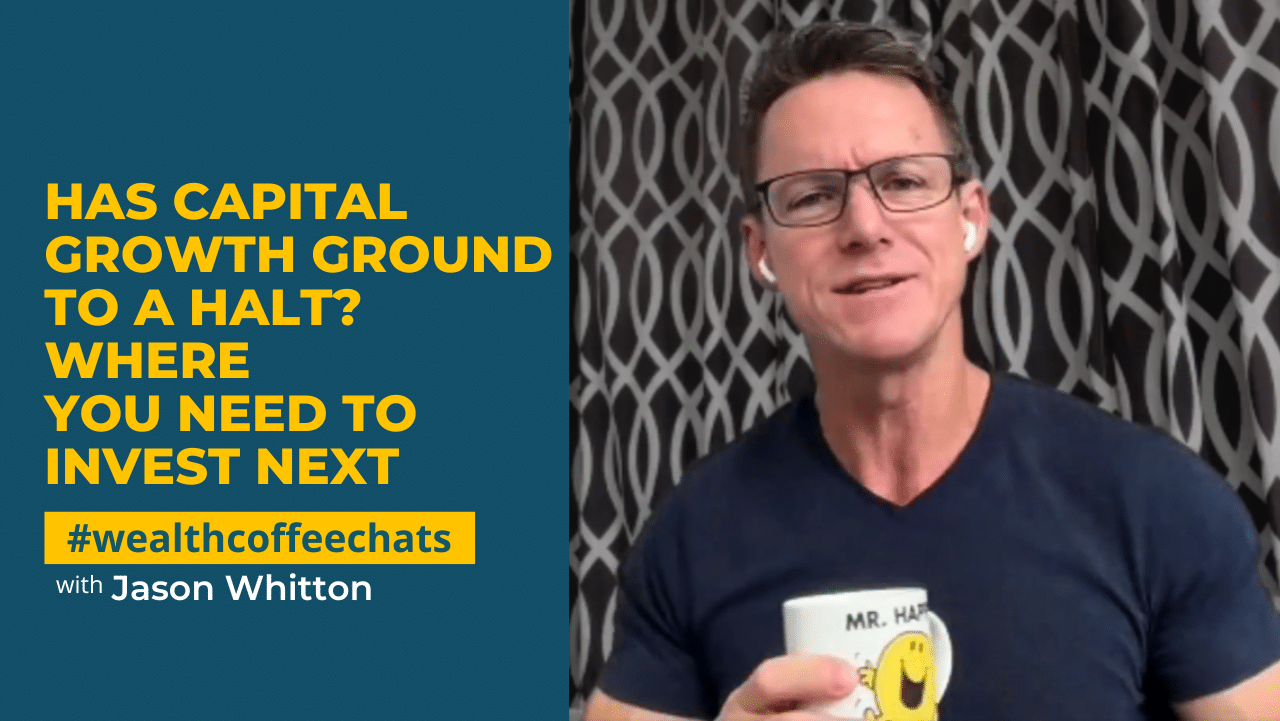
Has Capital Growth Ground To A Halt? Where You Need To Invest Next
Welcome to Wealth Coffee Chats! In this episode Jason Whitton walks us through what’s happening right now in the Australian property market, the hype surrounding WA, QLD and Melbourne, and where the next capital growth boom will take place. Where you do you think you should invest next? Let’s Wealth Coffee Chat!